
From Compliance to Strategy: Why Climate Disclosure Is Becoming a Business Imperative
For many years, sustainability reporting was primarily considered an extension of corporate social responsibility, focusing mainly on reputation management with stakeholders. However, the role of sustainability disclosure is rapidly evolving. Today, climate-related reporting is becoming a strategic business necessity due to increasing investor expectations, regulatory developments, and the financial implications of climate change.
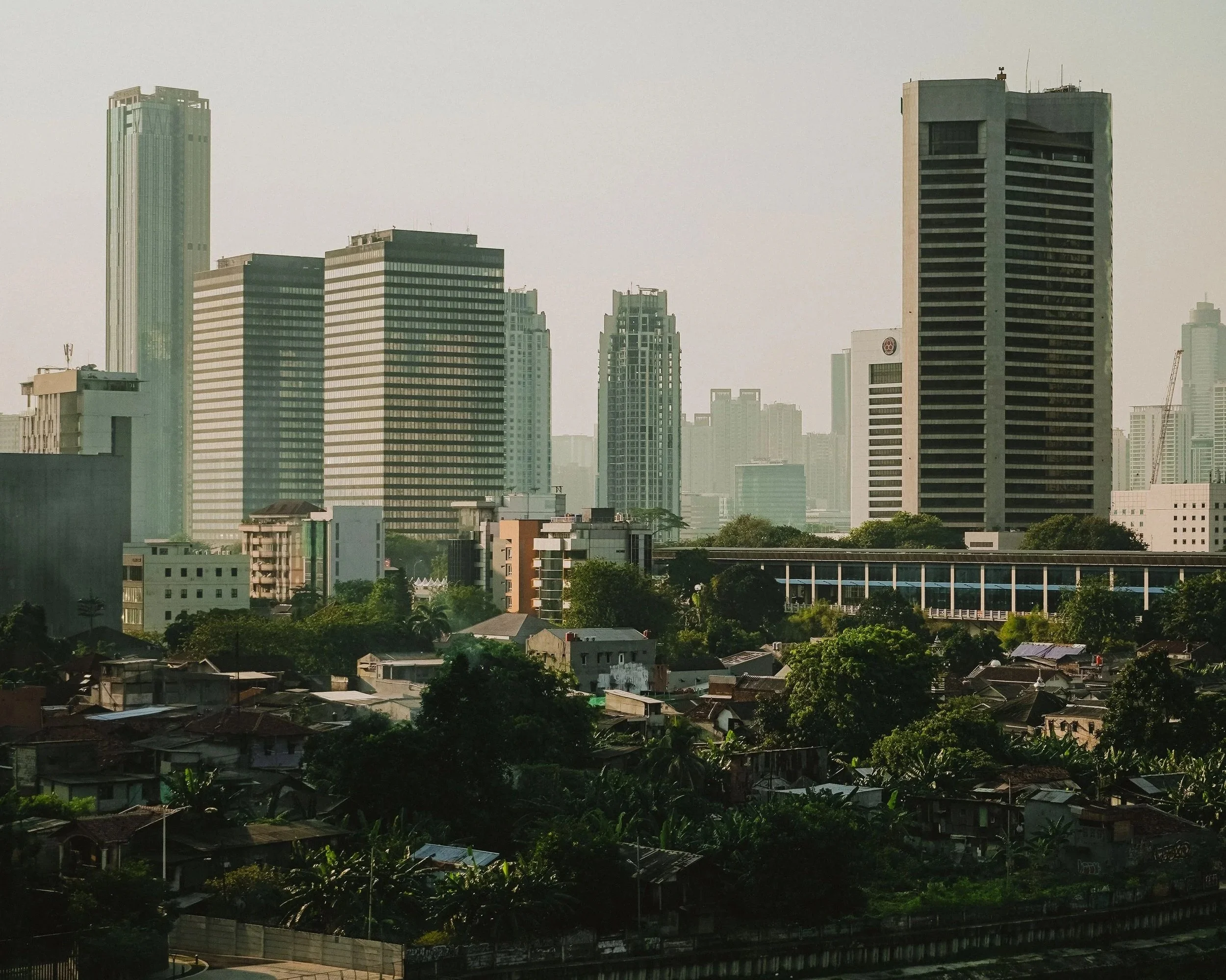
Image courtesy of El Jusuf, Pexels
The Growing Business Case for Climate Disclosure
According to the International Sustainability Standards Board (ISSB), climate-related information has become especially important for investors assessing enterprise value and long-term resilience. This shift reflects a growing understanding that climate change can directly affect operational continuity, financial performance, and market competitiveness (IFRS Foundation, 2023).
Investors are increasingly evaluating companies not only on their short-term profitability but also on their capacity to remain resilient in the face of climate-related disruptions and challenges of economic transition. As climate-related financial risks become more significant, sustainability disclosures are increasingly linked to the attractiveness of investment, access to long-term capital, and the confidence of stakeholders. Companies that demonstrate stronger climate preparedness may be better positioned to maintain their competitiveness in the changing investment landscape.
Climate Risk Is No Longer Just an Environmental Concern
Climate-related risks have transitioned from being perceived as remote environmental issues to immediate business challenges. Companies across various sectors are already facing structural difficulties, including rising energy costs and vulnerabilities within their supply chains. Together with shifting market expectations, these factors are prompting significant changes in operational procedures. In industries like real estate, where asset longevity and geographical location are significant to sustaining long-term value, the relevance of climate risks has intensified. Issues such as flooding, heat stress, resource scarcity, and evolving energy regulations increasingly shape operational resilience and drive investment decisions, highlighting the urgency for businesses to adapt to these emerging realities.
In Indonesia, climate-related risks are becoming important for urban development and the property sectors. The National Disaster Management Agency (BNPB) reports that flooding remains one of the most common natural disasters in the country, impacting major urban areas and disrupting economic activity each year. Rising temperatures and extreme weather patterns are also adding stress to infrastructure-intensive sectors, especially in densely populated urban regions. These conditions highlight the need to incorporate climate resilience into long-term asset planning and investment strategies.
The research conducted by McKinsey & Company showcases the urgent need for effective adaptation measures as physical climate risks, such as extreme heat, flooding, and infrastructure disruption, are expected to produce considerable economic and operational challenges across various industries (McKinsey & Company, 2020). At the same time, transition risks, which include carbon pricing mechanisms, evolving regulatory frameworks, and the shift toward low-carbon technologies, are transforming the competitive landscape for businesses worldwide. To remain competitive, organisations must proactively address these risks and integrate sustainable practices into their operations.
The Rise of IFRS S2 and the Evolution of Sustainability Reporting
In light of increasing global pressures, sustainability disclosure frameworks have gone through significant evolution in recent years. The establishment of the ISSB and the introduction of IFRS S1 and IFRS S2 represent an important step toward achieving a globally consistent foundation for sustainability-related financial disclosures. Unlike earlier voluntary reporting initiatives that often emphasised broad ESG narratives, IFRS S2 focuses specifically on climate-related risks and opportunities that can influence enterprise value and financial performance (IFRS Foundation, 2023).
In Indonesia, these developments are shaping the evolution of national sustainability reporting practices, including the adoption of IFRS-based sustainability disclosure standards through PSAK/PSPK initiatives. The growing recognition that climate-related disclosure will increasingly be integrated into mainstream corporate reporting and governance practices in the country is reflected in these changes.
More importantly, IFRS S2 signifies a significant transformation in the perception of climate disclosure within organisations. Rather than functioning merely as a compliance tool, this framework urges companies to integrate climate considerations into their governance structures, strategic planning processes, risk management systems, and performance metrics. This reflects the increasing expectation for businesses to progress beyond mere symbolic sustainability commitments and towards tangible, accountable climate action. By including these considerations in their core business operations, companies can create a sustainable culture that aligns with stakeholder expectations and contributes to long-term success.
A key aspect of IFRS S2 is its focus on climate scenario analysis. This encourages organisations to evaluate how different climate pathways might impact their business resilience and long-term strategy while maintaining good operational performance. Instead of concentrating solely on past performance, scenario analysis promotes a forward-looking approach to risk assessment and strategic planning in an era of rising environmental and economic uncertainty.
Lessons from the Real Estate Sector
The real estate sector serves as a valuable example of the varying levels of climate disclosure maturity among companies. Leading regional firms such as City Developments Limited (CDL) and Swire Properties have integrated climate scenario analysis, decarbonisation targets, and climate-related financial assessments into their sustainability and investment strategies (CDL Sustainability Report, 2026; Swire Properties Sustainability Report, 2025). These companies are increasingly viewing climate resilience as a component of long-term business competitiveness, rather than just a compliance requirement.
For example, CDL has publicly released climate scenario analyses that align with both 1.5°C and 4°C pathways. These analyses evaluate potential impacts on business resilience and asset performance. Meanwhile, Swire Properties has integrated climate considerations into its long-term asset management strategies. This includes implementing adaptation measures to address flooding and extreme weather risks in Hong Kong. These strategies demonstrate how climate disclosure is increasingly being used not only for transparency but also to enhance strategic planning and inform investment decisions.
In contrast, many companies in developing markets continue to prioritise operational-level sustainability initiatives and regulatory compliance. While there has been progress in areas like energy efficiency and sustainability reporting, the integration of climate-related risks into broader strategic and financial planning processes is still developing. This gap not only reflects differences in regulatory maturity but also differences in the organisation’s readiness on resource availability and long-term strategic orientation.
The challenge becomes even more significant when addressing Scope 3 emissions, which include indirect emissions generated throughout a company’s value chain. In sectors like real estate, Scope 3 emissions often involve tenant activities, construction materials, and supplier operations, making data collection much more complex. Consequently, many companies are still in the early stages of developing reliable methodologies and reporting systems for comprehensive climate-related disclosures.
Beyond Reporting: Turning Disclosure into Action
This distinction emphasises a key challenge surrounding climate disclosure today: the difference between reporting and strategic integration. While disclosure frameworks can improve transparency and accountability, simply reporting alone does not guarantee that these risks are effectively integrated into business operations, enterprise risk management, or long-term capital allocation decisions. As mentioned in several discussions on ESG reporting, sustainability disclosures may become performative if organisations do not translate their reporting into measurable strategic action (Harvard Business Review, 2021).
The increasing focus on climate-related disclosure reflects a broader shift in how businesses perceive risk, resilience, and long-term value creation. Companies are now being evaluated not only on the information they disclose, but also on how well they address climate-related risks and opportunities. In this new context, climate disclosure has moved beyond mere compliance; it now serves as an indicator of how well organisations are prepared to handle long-term uncertainties and manage emerging risks, all while remaining competitive in a rapidly evolving business landscape.
References
Badan Nasional Penanggulangan Bencana. (n.d.). Data Informasi Bencana Indonesia (DIBI). https://dibi.bnpb.go.id
City Developments Limited. (2026). Integrated sustainability report 2026. https://cdlsustainability.com/pdf/CDL_ISR_2026.pdf
Harvard Business Review. (2021). The limits of ESG. Harvard Business Review
IFRS Foundation. (2023). IFRS S1 general requirements for disclosure of sustainability-related financial information. https://www.ifrs.org/issued-standards/ifrs-sustainability-standards-navigator/ifrs-s1-general-requirements/
IFRS Foundation. (2023). IFRS S2 climate-related disclosures. IFRS Foundation
McKinsey & Company. (2020). Climate risk and response: Physical hazards and socioeconomic impacts. https://www.mckinsey.com/~/media/mckinsey/business%20functions/sustainability/our%20insights/climate%20risk%20and%20response%20physical%20hazards%20and%20socioeconomic%20impacts/mgi-climate-risk-and-response-full-report-vf.pdf
Swire Properties. (2025). Sustainability report 2025. https://sd.swireproperties.com/2025/en